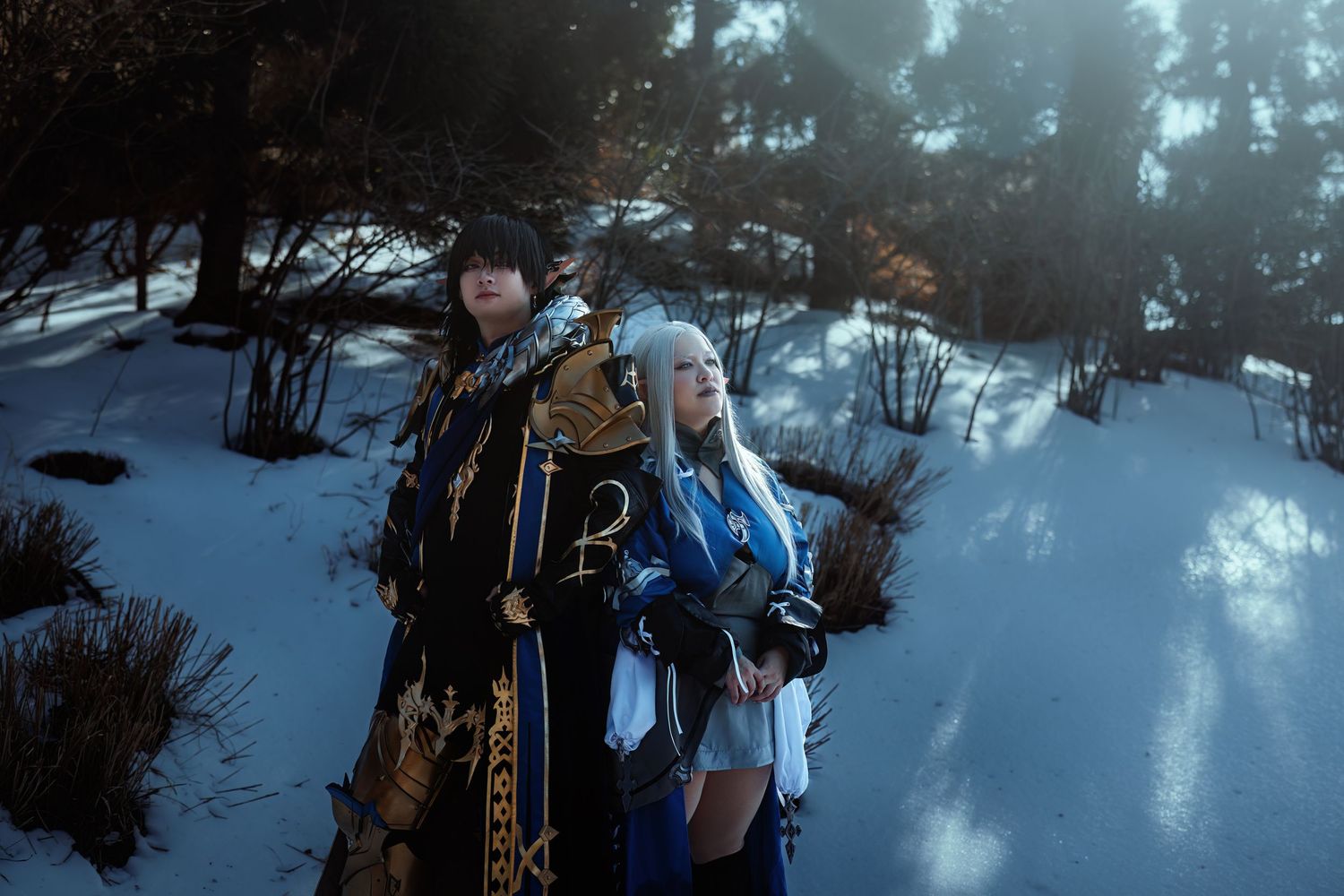
Cinematic Lighting in Cosplay Photography: How to Create Movie-Like Cosplay Photos
When people ask me how I create cinematic cosplay photos, they often assume the answer is expensive camera gear or advanced Photoshop techniques. While those tools can certainly help, the biggest factor is usually lighting.
Lighting is what transforms a cosplay portrait into a scene that feels like it belongs in a movie, video game, or fantasy world. The right lighting can make a hero appear powerful, a villain seem intimidating, or a magical character feel as though they stepped directly out of their story.
Whether you're photographing cosplay in a studio, at a convention, or on location, understanding cinematic lighting techniques can dramatically improve your images.
What Is Cinematic Lighting?
Cinematic lighting is the intentional use of light and shadow to create mood, depth, and storytelling.
Unlike traditional portrait photography, which often aims for even lighting across the subject, cinematic lighting embraces contrast. Deep shadows, bright highlights, and carefully controlled light sources help direct the viewer's attention and create emotional impact.
This style of lighting is heavily inspired by film and television production, where every light serves a purpose within the story.
When applied to cosplay photography, cinematic lighting helps bring fictional characters to life.
Why Lighting Matters in Cosplay Photography
Cosplay is already a form of visual storytelling. Every costume represents a character with their own personality, history, and world.
Lighting helps reinforce that story.
Imagine photographing the same character under three different lighting setups:
- Soft golden light creates a hopeful fantasy atmosphere.
- Cool blue lighting creates mystery and isolation.
- Harsh directional lighting creates tension and drama.
The costume remains the same, but the story completely changes.
This is why lighting is one of the most powerful creative tools available to cosplay photographers.
Using Shadows to Create Drama
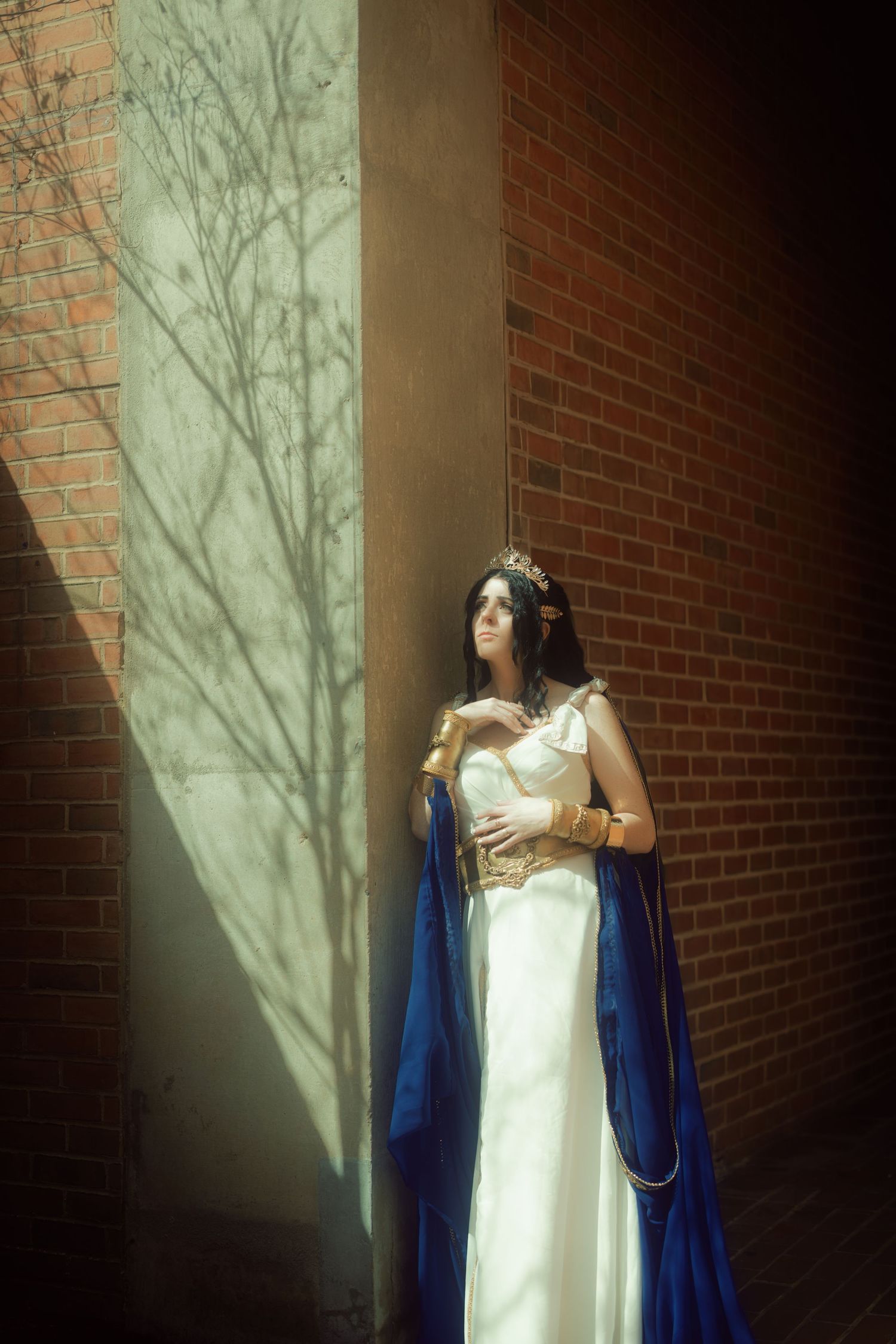
One of the hallmarks of cinematic cosplay photography is the strategic use of shadows.
Many new photographers try to eliminate every shadow from an image. Cinematic photographers often do the opposite.
Shadows add:
- Depth
- Mood
- Mystery
- Visual interest
- Subject separation
Not every detail needs to be visible. Sometimes allowing parts of a costume or face to fall into darkness creates more impact than showing everything.
For villain characters, antiheroes, dark fantasy concepts, and horror-inspired cosplay, shadows can become an important part of the storytelling process.
Backlighting for Cinematic Cosplay Photography
Backlighting is one of my favorite techniques for creating cinematic cosplay portraits.
A light source placed behind the subject creates a rim of light around the character, separating them from the background and adding dimension to the image.
Backlighting works especially well for:
- Fantasy cosplay
- Sci-fi cosplay
- Anime characters
- Video game characters
- Magical effects photography
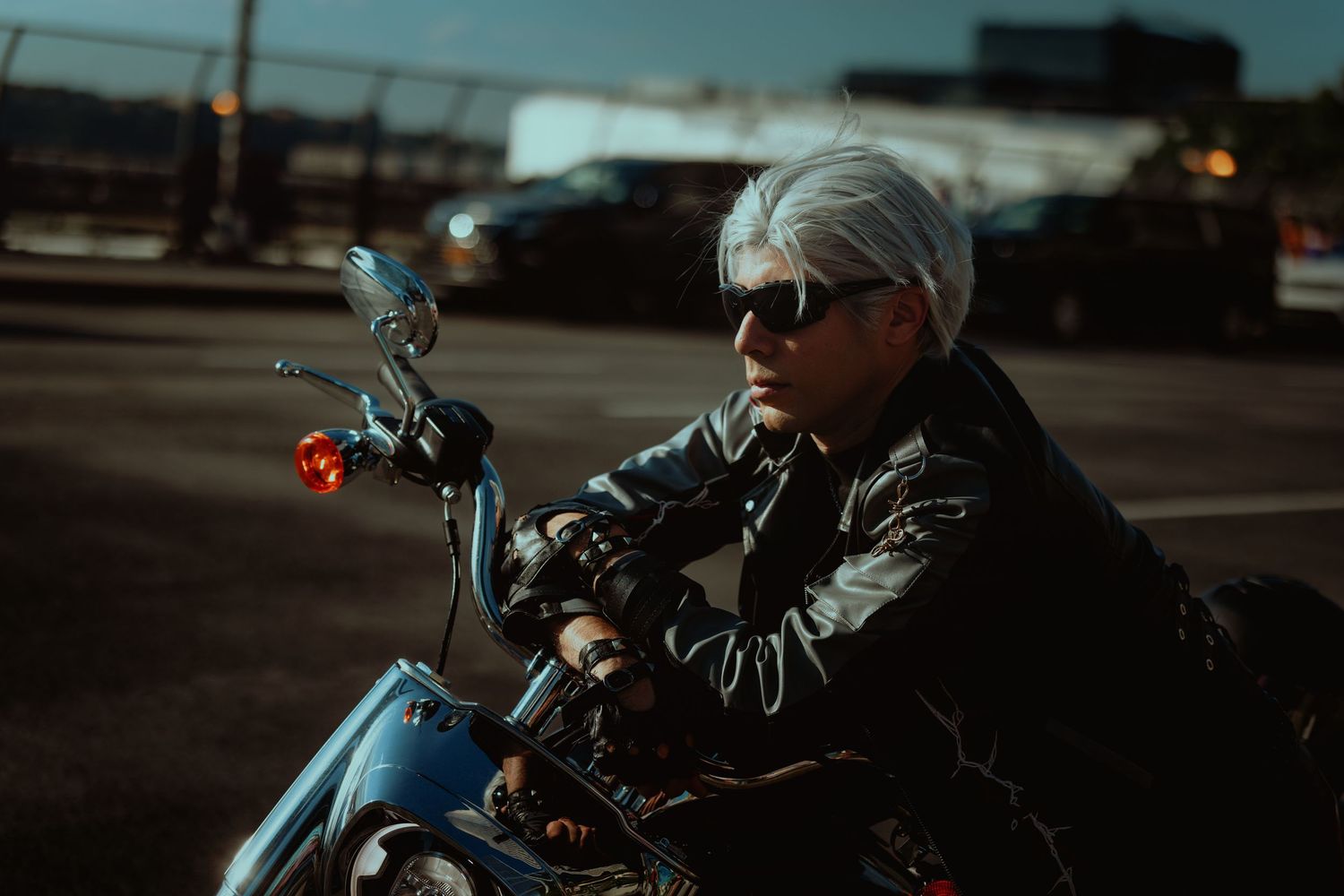
Natural sunlight can create beautiful backlighting during golden hour, while off-camera flashes and LED lights provide more control in studio environments.
Adding atmospheric effects such as fog or haze can make backlighting even more dramatic.
Choosing Lighting Colors for Different Characters
Color is one of the fastest ways to communicate emotion.
Different lighting colors naturally evoke different moods:
Blue Lighting
Blue tones often create feelings of:
- Mystery
- Isolation
- Futuristic environments
- Nighttime scenes
Blue lighting is commonly used for cyberpunk, sci-fi, and supernatural cosplay photography.
Warm Orange Lighting
Warm lighting can create:
- Adventure
- Nostalgia
- Fantasy settings
- Heroic moments
Golden-hour sunlight is one of the most naturally cinematic light sources available.
Red Lighting
Red lighting often communicates:
- Danger
- Conflict
- Intensity
- Power
This color works exceptionally well for villain and action-focused cosplay concepts.
Purple Lighting
Purple lighting can create:
- Magic
- Mystery
- Fantasy worlds
- Otherworldly environments
It's a popular choice for fantasy and magical character portraits.
Studio Lighting for Cosplay Photography
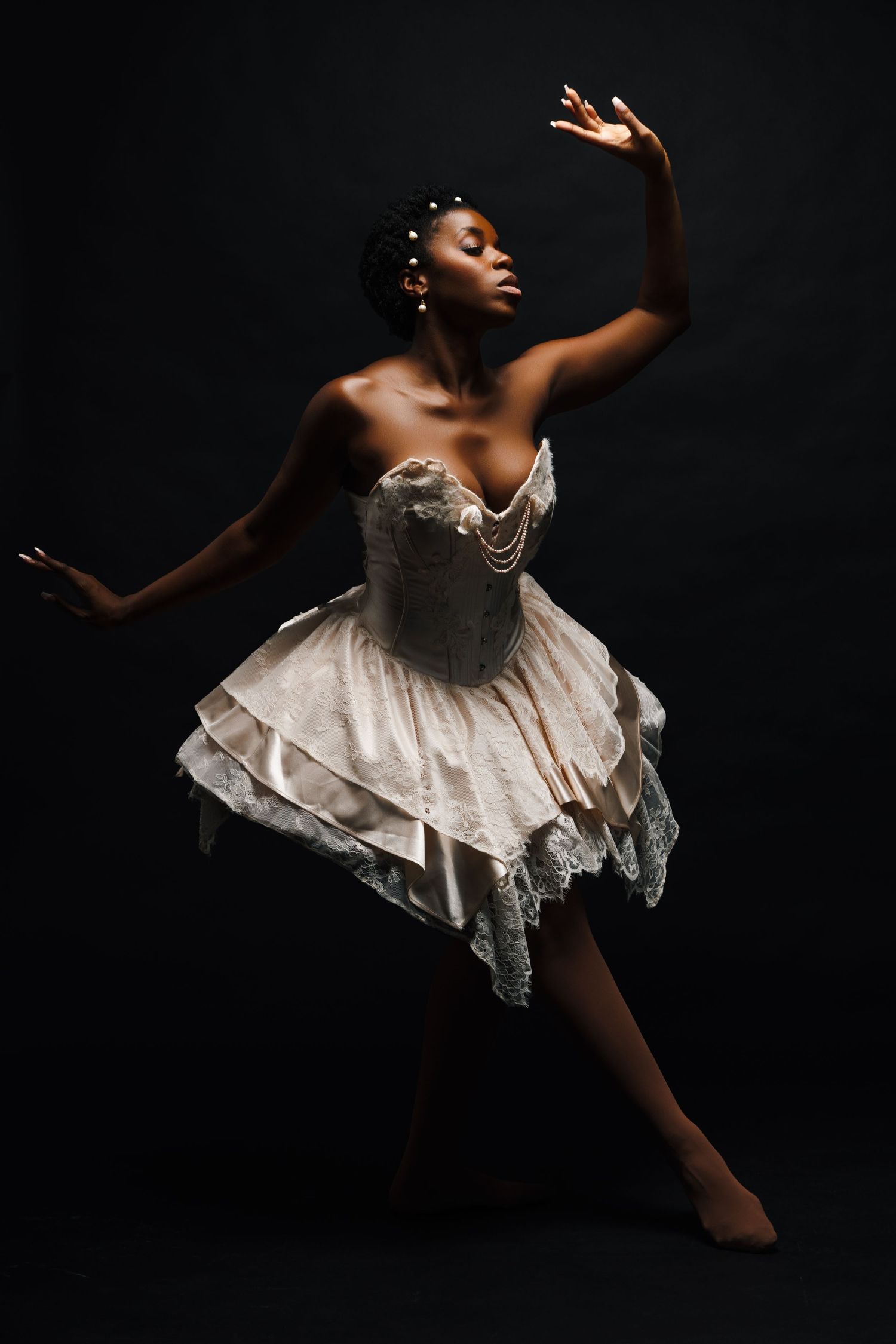
Many people assume cinematic photography requires elaborate movie sets, but cinematic lighting can be created in a small studio.
A simple setup might include:
Key Light
The primary light illuminating the subject.
Rim Light
A secondary light positioned behind the subject to create separation.
Background Light
Used to illuminate the backdrop or add color to the scene.
With just two or three lights, photographers can create surprisingly complex and cinematic results.
The key is not the number of lights but how intentionally they are used.
Practical Lights and Environmental Storytelling
Film productions often use practical lights—light sources that naturally exist within the scene.
Examples include:
- Lanterns
- Candles
- Neon signs
- Computer monitors
- Street lights
- LED props
Practical lighting adds realism because the viewer can see where the light is coming from.
For cosplay photography, practical lights help make fictional worlds feel believable while adding visual depth to the image.
Outdoor Cinematic Lighting Techniques
Outdoor cosplay shoots provide unique opportunities for cinematic lighting.
Some of my favorite approaches include:
Golden Hour
The hour after sunrise and before sunset provides naturally cinematic light with soft shadows and warm colors.
Blue Hour
The brief period after sunset creates cool tones and dramatic ambient lighting.
Overcast Conditions
Cloudy days act like a giant softbox, producing flattering light for fantasy and character-focused portraits.
Environmental Light Sources
City lights, storefronts, street lamps, and neon signs can all become part of the lighting design.
Common Cinematic Lighting Mistakes
Using Too Much Light
More light does not automatically mean better images.
Cinematic photography often relies on selective lighting and controlled darkness.
Ignoring Color Temperature
Mixing different light colors without intention can create distracting results.
Lighting Everything Equally
Viewers need visual hierarchy.
The most important parts of the image should receive the most attention.
Forgetting the Story
The lighting should support the character and scene, not simply show off technical skills.
Final Thoughts
The goal of cinematic lighting in cosplay photography is not simply to create beautiful images. It is to create photographs that feel like moments from a larger story.
Every lighting decision—from shadow placement to color choice—helps shape how viewers experience the character.
Whether you're working with natural light, a small studio setup, or a full production environment, intentional lighting can elevate your cosplay photography from a portrait session into a cinematic experience.
When viewers look at an image and feel as though they've stepped into another world, that's when cinematic lighting has done its job.


